Kawaii Animal Bunny Line Background for Creative Projects
Understanding the Appeal of This Playful Design Asset
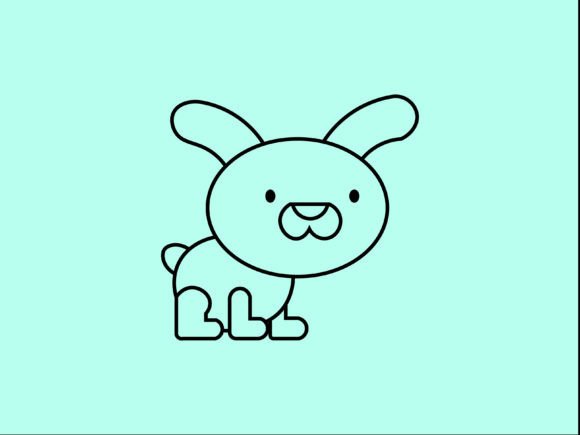
There's a specific kind of charm in a well-executed kawaii design—it communicates warmth, approachability, and a certain lightheartedness that resonates across age groups. The Kawaii Animal Bunny Line Background taps directly into that universal appeal. Visually, it features clean, continuous line drawings of bunnies arranged in a repeating pattern. The linework is deliberate—neither too thick nor too thin—giving it a hand-drawn quality without sacrificing scalability. Each bunny carries that characteristic kawaii personality: rounded ears, dot eyes, tiny paws, and subtle expressions that range from curious to content. The overall aesthetic sits somewhere between Scandinavian minimalism and Japanese pop culture, which makes it surprisingly versatile. It doesn't overwhelm a layout, but it adds enough visual texture to make a design feel considered and intentional.
What makes this particular creative font and pattern combination stand out is its restraint. Too many kawaii designs lean into excessive detail, but this one keeps things clean. The line-based approach means it works equally well in monochrome and color applications. You can overlay it on pastel backgrounds for a soft, nursery-ready feel, or place it against bold, saturated colors for something more contemporary. That flexibility is what separates a genuinely useful design asset from one that only works in a narrow set of circumstances.
Where This Design Actually Works
Let's talk practical applications, because that's where the real value lives. The Kawaii Animal Bunny Line Background was built with multipurpose use in mind, and the file formats reflect that—AI and EPS for vector editing, a high-resolution JPG, and a 300dpi PNG with transparency. That's a solid package for anyone working across both digital and print environments.
For packaging design and product-based businesses, this pattern shines on items that target gift markets, children's products, or seasonal promotions—particularly around Easter. Think tote bags, phone cases, and printed paper goods. The bunny motif reads immediately without explanation, which is exactly what you want on physical merchandise. A tote bag with this pattern doesn't need a tagline; the design communicates the product's personality on its own. The same applies to pillow covers, stationery sets, and children's book covers. If you're a small business owner selling on platforms like Etsy or at local markets, having a cohesive visual pattern like this across your product line creates instant brand identity without needing a full rebrand.
In editorial design and publishing, the pattern works well as chapter dividers, endpaper designs, or background textures for children's activity books. Publishers and bloggers working in the parenting, lifestyle, or craft space can use it as a subtle background element in social media graphics—particularly Instagram posts, Pinterest pins, or story templates where a playful but not distracting backdrop is needed. It pairs well with both sans serif and handwritten font styles for text overlays, giving you flexibility in how you communicate your message.
For web design, the pattern can serve as a hero section background, a footer texture, or a repeating element in email headers. The key is using it at reduced opacity or with a color overlay so it doesn't compete with your content. When used thoughtfully, it adds personality to a website without sacrificing the visual hierarchy your layout depends on.
Making Smart Design Decisions with This Pattern
Choosing a pattern or background element isn't just about whether it looks good in isolation—it's about whether it serves the project's goals. Here's how to evaluate fit with the Kawaii Animal Bunny Line Background.
First, consider your audience. This design speaks clearly to parents, gift buyers, crafters, and anyone in the lifestyle or children's market. If your brand identity leans toward sophisticated, corporate, or minimalist industrial aesthetics, this probably isn't the right match. But if your brand has a warm, approachable, or whimsical personality—or if you're working on a seasonal campaign—this pattern integrates naturally.
Second, think about font pairing. The line-based bunny pattern has a light, airy quality, so it works best alongside typefaces that don't compete for attention. A clean sans serif font for body text and a script font or display font for headings creates a balanced composition. Avoid pairing it with heavy, ornate serif fonts or overly decorative typefaces—the visual noise would clash. If you're building a logo design or brand identity system, test the pattern behind your logomark at various scales to make sure the line detail remains legible and doesn't muddy your primary branding elements.
Third, pay attention to scale and repetition. At small sizes—like on a phone case or social media icon—the individual bunny details compress into a texture rather than a recognizable illustration. That's fine, but make sure the overall impression still aligns with your intent. At larger scales, like on a pillow or book cover, the individual characters become part of the storytelling. Adjust the pattern density accordingly.
Fourth, color matters. The line-based format means you can recolor the entire pattern to match your palette in seconds using the vector files. Pastels work for nursery and Easter applications. Monochrome black or white creates a more modern, editorial feel. If you're using the JPG or PNG as-is, test it against your existing color scheme to check contrast and readability for any overlaid text.
The included file formats—AI, EPS, JPG at 300dpi, and PNG at 300dpi—cover the majority of professional workflows. The vector formats give you full editing control in Adobe Illustrator or compatible software, while the raster files are ready for immediate use in Photoshop, Canva, or any print-on-demand platform. For commercial use, always verify the licensing terms before incorporating the pattern into products you intend to sell, especially at scale.
Ultimately, the Kawaii Animal Bunny Line Background is a practical, well-constructed design asset that fills a specific niche without overcomplicating things. It's the kind of resource that earns its place in a designer's library—not because it does everything, but because it does a particular job exceptionally well. Whether you're building a product line, designing a children's book, or creating seasonal marketing materials, it gives you a strong visual foundation to build from.