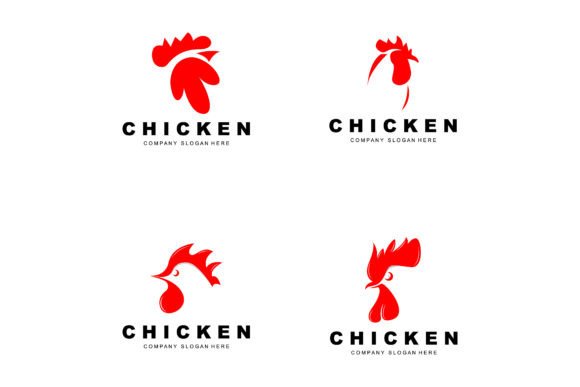
Chicken Logo: Farm Animal Vector Design Guide
When you are building a brand for a fried chicken restaurant, a local cafe, or a family farm, the visual identity needs to speak louder than words. The Chicken Logo and Farm Animal Vector design concept is more than just a picture of a bird; it is a powerful tool for brand identity. In the world of modern design, utilizing high-quality vector graphics ensures your brand looks sharp whether it is on a massive billboard or a tiny social media icon. This specific style of design focuses on capturing the personality of the subject—whether that is a proud rooster for a farm or a stylized, playful chicken for a fast-food joint.
Visual Characteristics and Style Appeal
A well-executed Chicken Logo relies on clean lines and recognizable silhouettes. Because this is a vector design, it is built on mathematical paths rather than pixels. This means the art can be scaled to any size without losing quality, which is essential for packaging design and web design. The visual personality usually falls into one of two camps: rustic and authentic or modern and geometric.
For a farm setting, you often see textures that mimic woodcuts or hand-drawn illustrations. These styles evoke a sense of tradition, organic produce, and hard work. On the other hand, a Chicken Logo for a trendy cafe or fried chicken restaurant might use flat design, bold colors, and negative space. The appeal lies in versatility. You can choose a vector style that looks hand-crafted using a handwritten font aesthetic, or you can go for something incredibly sleek that pairs well with a sans serif font.
The "Farm Animal Vector" aspect adds a layer of authenticity to the project. It tells the customer immediately what the business is about. A rooster crowing suggests morning freshness and breakfast menus, while a plump hen might suggest comfort food and hearty meals. The design choices—such as the thickness of the lines or the complexity of the feather details—communicate the price point and quality of the business before the customer even reads a word.
Strategic Applications for Branding and Marketing
Knowing where to use this design is just as important as the design itself. The Chicken Logo is a cornerstone of your brand identity, but it needs to live across many different environments. In editorial design, such as a farm-to-table cookbook or a food blog, these vectors serve as excellent spot illustrations. They break up text and add visual interest without cluttering the page.
In the commercial space, specifically for a fried chicken restaurant, the logo needs to work on uniforms, napkins, cups, and signage. This is where the "vector" part is non-negotiable. You need a premium font and graphic set that holds up on print materials. For social media graphics, the design needs to be bold enough to stand out in a fast-scrolling feed. A simplified version of the chicken vector often works best for profile pictures, while a more detailed version can be used for header images.
Furthermore, this design style influences visual hierarchy. In a menu design, a small chicken icon can denote specific dishes or categories, helping the reader navigate the content quickly. For packaging design on sauce bottles or egg cartons, the vector art creates a focal point that builds trust. It signals professionalism and consistency, which are key drivers of audience engagement.
Choosing the Right Design Assets
Selecting the right Chicken Logo involves more than just picking a pretty picture. You need to evaluate the project fit. If you are designing for a high-end bistro, you might look for a vector that pairs well with a serif font or a sophisticated script font. If you are working on a fast-casual concept, a bold display font combined with a cartoonish vector is usually the better route.
Here are practical steps for integrating these design assets into your workflow:
- Evaluate Font Pairings: The typography you choose to accompany the logo changes the message. A rustic, wood-grain chicken vector clashes with a futuristic sans serif font. Test your font pairing early in the process to ensure the voice matches the visual.
- Review Included Styles: High-quality vector packs often come with variations. Look for monoline versions, filled silhouettes, and detailed illustrations. Having these options allows you to maintain brand consistency across different mediums.
- Check Commercial Licensing: This is a critical step for entrepreneurs. Ensure that the commercial font and vector license covers your specific usage, such as merchandise or digital ads. Using design assets without proper licensing can lead to legal headaches later.
- Test for Readability: If the chicken vector is integrated into the letterforms of a creative font, test it at small sizes. Does the logo still look like a chicken when printed on a pen? If not, you may need a simplified version for small-scale applications.
Influencing Brand Perception and Professionalism
The ultimate goal of using a Chicken Logo in your logo design strategy is to influence how people feel about the brand. In the food industry, trust is everything. A sloppy, pixelated image suggests low quality food. A crisp, well-designed farm animal vector suggests care, hygiene, and quality ingredients.
This design element also aids in recognition. In a crowded market of fried chicken shops, a unique vector silhouette can become as recognizable as the name itself. Think of the golden arches; simplicity is key. By using modern typography alongside a classic farm animal image, you bridge the gap between tradition and contemporary trends. This balance appeals to a wide demographic, from older generations looking for comfort food to younger audiences looking for an "Instagrammable" dining experience.
Ultimately, whether you are a hobbyist creating a label for homemade hot sauce or a marketing director rebranding a regional chain, the Chicken Logo and Farm Animal Vector style offers a robust foundation. It provides the flexibility to be playful or serious, modern or vintage, while ensuring your brand identity remains solid and professional.