Bring the Ocean to Life with Sea Animal Illustrations
There’s something universally captivating about marine life. Whether it’s the graceful arc of a dolphin, the textured shell of a sea turtle, or the mysterious depth of a jellyfish, these creatures evoke a sense of wonder, calm, and adventure. For designers, marketers, and content creators, tapping into that emotional resonance is a powerful way to connect with audiences. That’s where a versatile and high-quality asset like Sea Animal Illustrations comes into play. This collection isn't just a set of pretty pictures; it's a robust toolkit for building entire visual worlds, ready to be deployed across countless projects.
Understanding the Visual Language of the Collection
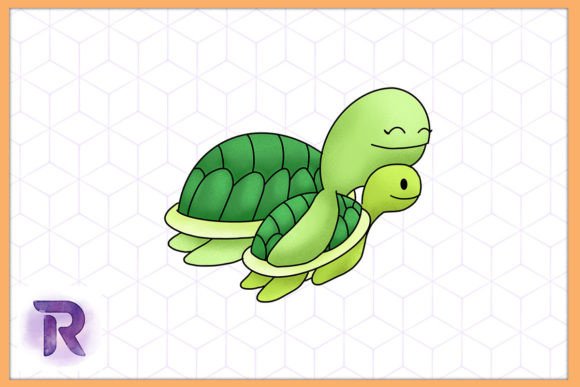
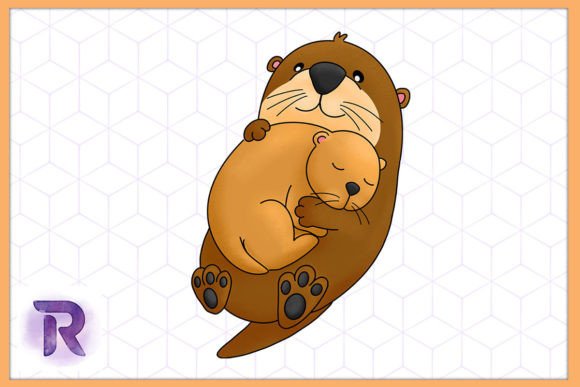
The Sea Animal Illustrations package is more than a random assortment of fish and whales. It presents a cohesive visual language characterized by clean lines, balanced compositions, and a charming, approachable style. The personality of these illustrations strikes a perfect balance between playful and professional. They aren't overly cartoonish, which limits their use in serious contexts, nor are they so hyper-realistic that they feel cold or technical. This middle ground is what makes them incredibly valuable. They feel handcrafted yet polished, lending a human touch to digital projects without sacrificing clarity or scalability.
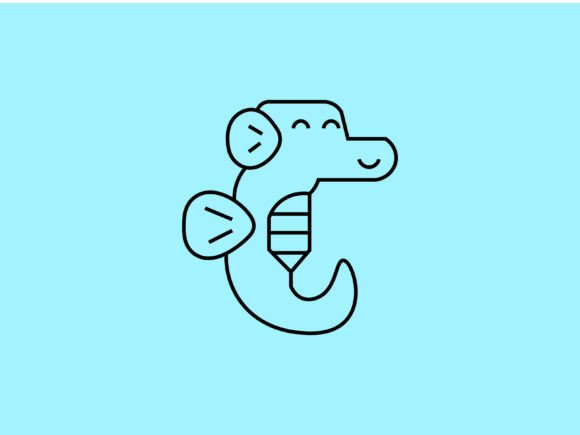
The overall appeal lies in their adaptability. Imagine using a friendly octopus illustration as the cornerstone of a children's educational brand, or a sleek, stylized shark for a modern fitness app's loading screen. The collection likely includes a range of creatures—from the majestic humpback whale to the humble seahorse—each rendered with consistent attention to detail. This consistency is key. It allows you to build a library of assets that work together harmoniously, ensuring that whether you're creating a series of social media posts or designing a full product line, the visual identity remains unified.
Where Sea Animal Illustrations Truly Shine
The real-world applications for this type of vector art are vast. For entrepreneurs and small business owners, these illustrations can become the face of a brand. Think of a coastal café using a stylized crab or lobster in its logo design and menu graphics. The illustrations provide instant character and communicate the business's theme at a glance, far more effectively than generic clipart.
For marketers and content creators, the value is in engagement. Social media graphics featuring vibrant sea life are inherently more eye-catching in a crowded feed. They can be used to illustrate blog posts about marine conservation, travel, wellness (using metaphors like "going with the flow"), or even business strategy (navigating "uncharted waters"). The illustrations add a layer of visual interest that keeps readers scrolling and sharing. In editorial design, such as for magazines or newsletters, a well-placed sea creature can break up dense text, guide the reader's eye, and inject personality into a layout.
On the commercial front, the possibilities expand further. These designs are perfect for packaging design for everything from seafood products to bath salts and children's toys. They translate beautifully onto merchandise like tote bags, t-shirts, and stationery. For digital products, they can enhance web design as decorative elements, section dividers, or custom icons. The key is that the illustrations serve as more than decoration; they become integral components of the brand identity, telling a story and creating an emotional connection with the customer.
Practical Guidance for Implementation and Licensing
Integrating a new set of design assets into your workflow requires a thoughtful approach. First, consider the project's scope and audience. The friendly style of Sea Animal Illustrations makes them ideal for projects targeting families, eco-conscious consumers, or anyone seeking a touch of nature-inspired creativity. They might be less suited for, say, a corporate law firm's annual report, but perfect for a sustainable clothing brand's spring campaign.
When evaluating fit, test how the illustrations interact with your chosen typography. Do they pair well with a clean sans serif font for a modern look, or with a script font for a more whimsical feel? The versatility of the illustrations means they can adapt to various font pairing strategies. Pay attention to the included file formats. The availability of both EPS and JPG files is a significant practical advantage. The vector EPS file is crucial for any project that requires resizing without loss of quality—essential for large-format printing, signage, or detailed logo work. The JPG file is convenient for quick use in digital layouts, presentations, or social media posts where editing the vector paths isn't necessary.
Finally, understand the licensing. For any commercial project, ensuring you have the proper rights is non-negotiable. A clear, straightforward license that covers commercial use is what separates a professional-grade asset from a risky download. It allows you to use the commercial font and illustration assets with confidence, knowing your client projects and product lines are legally protected. This peace of mind is a core component of what makes a premium design resource worth the investment.
By choosing assets like Sea Animal Illustrations, you're not just buying pictures; you're investing in a visual toolkit that can elevate your work, tell a compelling story, and connect with your audience on a deeper level. It’s a practical step toward creating more distinctive, engaging, and professional designs.